
Juvelook and polynucleotide boosters (the category Rejuran belongs to) are both injectable “skin boosters” you’ll see on every Seoul menu, but they do different jobs. Juvelook is a poly-L-lactic acid (PLLA) biostimulator: it nudges your own skin into producing new collagen over several weeks. Polynucleotide boosters use salmon-derived DNA fragments (PN / PDRN) to improve skin quality, hydration, and repair rather than add structural collagen. Neither is a filler, and neither gives instant volume. Which one suits you — or whether you want both — depends on whether your main complaint is thin, crepey, collagen-poor skin or dull, dehydrated, irritated skin that needs to heal.
Below is the honest version: what each actually does, how they differ at the mechanism level, downtime, cost in Seoul, and who each one is not for.
What is Juvelook, and how does it stimulate collagen?
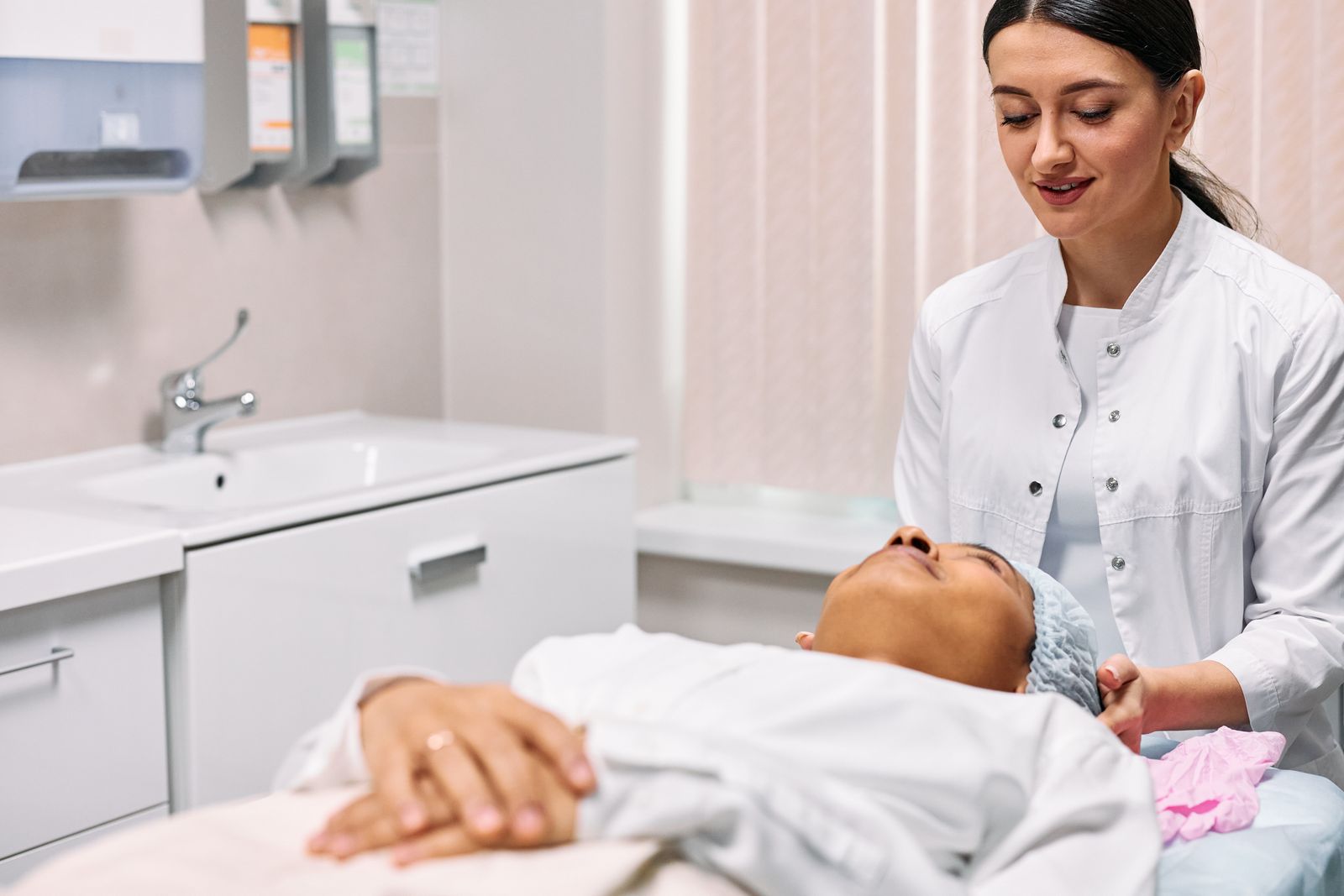
Juvelook is a collagen-stimulating injectable made from PLLA microspheres suspended in a carrier, often combined with a small amount of hyaluronic acid. It’s injected into the dermis, and the PLLA particles act as a scaffold your body gradually responds to by laying down new collagen. That’s the key idea: Juvelook doesn’t fill a line the way hyaluronic acid filler does — it asks your skin to rebuild itself.
Because the effect is biological, it is not immediate. Any plumpness you see on day one is mostly the injected fluid and swelling, which settles within days. The real result — firmer, thicker-feeling skin — builds over roughly 6 to 12 weeks and often needs a short series of sessions. It’s typically used for overall skin firmness, fine crepiness, and mild laxity rather than deep folds.
There’s also a more structural version marketed for subtle volume, but the “skin booster” use most travelers ask about is the fine, superficial one aimed at skin quality.
What are polynucleotide boosters (Rejuran / PDRN)?

Polynucleotide boosters are made from purified DNA fragments, usually from salmon. In Korea the best-known brand is Rejuran, and you’ll also hear the terms PN (polynucleotide) and PDRN (polydeoxyribonucleotide) — PDRN is a shorter fragment, PN a longer chain, and they’re closely related regenerative ingredients.
Their job is skin regeneration and repair, not collagen scaffolding. They support fibroblast activity, calm inflammation, and improve hydration and elasticity, so skin looks less dull, feels bouncier, and tolerates stress better. People use them for texture, fine lines, enlarged-pore appearance, post-inflammatory redness, and generally “tired” skin. There’s a lighter version formulated specifically for the delicate under-eye area as well.
Like Juvelook, results are gradual and course-based — commonly a few sessions spaced a couple of weeks apart, with skin quality improving over the following months.
Juvelook vs polynucleotides: the real difference
The cleanest way to think about it:
- Juvelook (PLLA) = build. It stimulates new collagen production for firmness and structure. Best when your issue is thin, lax, collagen-depleted skin.
- Rejuran / PN / PDRN = repair. It regenerates and conditions skin quality — hydration, elasticity, tone, resilience. Best when your issue is dull, dehydrated, sensitized, or textured skin.
They aren’t competitors so much as different tools. Collagen stimulation (Juvelook) addresses the scaffolding; polynucleotides address the skin’s health and repair environment. Many Seoul plans use polynucleotides to condition and calm the skin and a biostimulator like Juvelook to add firmness — sometimes on separate visits. A good assessment-first clinic will tell you which one your skin actually needs first rather than selling you both by default. If you have reactive skin, this is worth reading alongside how a good Seoul clinic adjusts a plan for sensitive skin.
Neither is a substitute for filler (which adds immediate volume) or for energy devices, and neither delivers a same-day transformation. If a clinic promises dramatic overnight change from a booster, be skeptical.
What’s the downtime and what does it feel like?
Both are injectable, so expect some version of the same short recovery:
- Injection sensation: multiple small injections or micro-channel delivery across the treatment area. Numbing cream is standard; most people call it tolerable, not painless.
- Immediately after: redness, mild swelling, and sometimes tiny bumps where product was placed. With Juvelook and some polynucleotide techniques you may see or feel small temporary papules/bumps that settle over hours to a few days.
- Bruising: possible with any injection, more likely around thin or vascular areas like the under-eye. It can last several days.
- Back to normal: many people look presentable the next day, but plan a buffer of 2–4 days before an event, and don’t schedule a booster the day before a flight home if you bruise easily.
For Juvelook specifically, clinics often ask you to massage the area as instructed afterward to help distribute the product evenly — follow that guidance, because it matters for a smooth result.
If your barrier is already compromised from over-exfoliating before the trip, that’s worth sorting out first — see why a barrier reset comes before any procedure.
How long do results last?
Because both work through your own biology, timelines vary a lot between individuals:
- Juvelook (PLLA): the collagen-building effect develops over weeks and, once established, is often described as lasting on the order of a year or more — but it’s gradual and depends on your skin, age, and how many sessions you completed.
- Polynucleotides (Rejuran, etc.): improvements in skin quality typically build over a course of sessions and are then maintained with periodic top-ups, since the regenerative effect is not permanent.
Honest framing: these are maintenance treatments, not one-and-done fixes. Traveling to Seoul for a single session can absolutely be worthwhile, but understand you’re starting a process you’ll likely want to continue — whether in Seoul again or with a comparable option at home.
What do they cost in Seoul?
Exact pricing depends on the product, the number of vials, the area, and the plan, so treat any number as a starting floor, not a quote — final cost is set at consultation.
As a rough, approximate guide for Seoul at the time of writing:
- Polynucleotide boosters (Rejuran-type): commonly around 150,000–350,000 KRW per session (~$110–260 USD), usually sold as a short course.
- Juvelook (PLLA): commonly around 250,000–450,000 KRW per session (~$185–330 USD), also typically a series.
These are ballpark ranges for the treatment in general, not a MIO-specific price, and they move with product cost and how many sessions you commit to. Because boosters are course-based, the honest number to plan around is the total series, not one visit. For how packages and multi-session math actually work for a visitor, see the bundle math a foreigner should run first.
Who is NOT a good candidate?
Boosters aren’t right for everyone or every goal:
- If you want immediate volume for hollows or deep folds, a booster won’t do it — that’s a filler conversation.
- If your main issue is loose, sagging skin at a moderate-to-advanced level, a booster is at best a supporting player, not the main treatment.
- Active skin infection, inflammation, or breakouts in the area usually mean waiting.
- Pregnancy or breastfeeding: most clinics defer elective injectables.
- Known allergy to a product component, and — relevant for polynucleotides — a fish/salmon allergy is something to raise, since they’re salmon-derived.
- Autoimmune conditions, bleeding disorders, or blood-thinning medication: always disclose these; they change the risk conversation.
- If you’re chasing a dramatic, overnight result, boosters will disappoint you — they work quietly and gradually.
A responsible clinic will screen for these before injecting anything, and a good sign is one that’s willing to tell you a booster isn’t what you need.
How to decide before you book
Match the treatment to the actual complaint. If you press on your skin and it feels thin, crepey, and under-supported, collagen stimulation (Juvelook) is the more logical starting point. If your skin looks dull, dehydrated, irritated, or texture-rough but isn’t especially lax, polynucleotides target that better. If you’re not sure — most people aren’t — that’s exactly what the consultation is for, and it’s reasonable to book an assessment first and decide on the product after your skin is actually examined. Boosters are also just one layer of the broader “glass skin” toolkit, which is worth understanding in full: what clinics actually do vs. the at-home myth.
FAQ
Is Juvelook a filler? No. Juvelook is a poly-L-lactic acid (PLLA) collagen stimulator. It prompts your own skin to build collagen over weeks rather than adding instant volume the way hyaluronic acid filler does. Any day-one plumpness is mostly fluid and swelling that settles.
What’s the difference between Juvelook and Rejuran? Juvelook uses PLLA to stimulate new collagen for firmness and structure. Rejuran and other polynucleotide (PN/PDRN) boosters use salmon-derived DNA fragments to regenerate and improve skin quality — hydration, texture, elasticity. Build vs. repair. Many plans use both for different reasons.
Can I get a visible result from one session while I’m in Seoul? You’ll likely see some initial glow, but the real effect of both treatments builds gradually over weeks and usually needs a series. A single session while traveling is a reasonable start, but treat these as maintenance treatments, not one-time fixes.
How much downtime should I plan around a trip? Expect redness, mild swelling, possibly small temporary bumps, and sometimes bruising. Many people look presentable the next day, but leave a 2–4 day buffer before any event and avoid booking right before a flight if you bruise easily.
Is there anyone who shouldn’t get these? Yes — people wanting immediate volume, those with significant sagging, anyone with active infection, pregnancy/breastfeeding, relevant allergies (including fish/salmon allergy for polynucleotides), bleeding disorders, or on blood thinners should discuss alternatives. A clinic should screen for all of this first.
How long do the results last? It varies by individual. Juvelook’s collagen effect can last on the order of a year or more once established; polynucleotide results build over a course and are maintained with periodic top-ups. Neither is permanent.
Book at MIO Clinic, Gangnam
Seoul Skin Notes is the official journal of MIO Clinic, a skin & aesthetic clinic in Gangnam, Seoul. The MIO team handles consultations and bookings in English over WhatsApp — tell them what you are considering and they will walk you through your options.
MIO Clinic
2-3F, FINE TOWER, 372 Gangnam-daero, Gangnam-gu, Seoul
Gangnam Station, Exit 4 — 3-minute walk
Hours: Mon & Fri 10:00–21:00 · Tue–Thu & Sat 10:00–19:00 · Sun closed
Web:mioclinic.kr/en · Instagram:@mioclinic_global · Email:en-official@mioclinic.kr · Google Maps