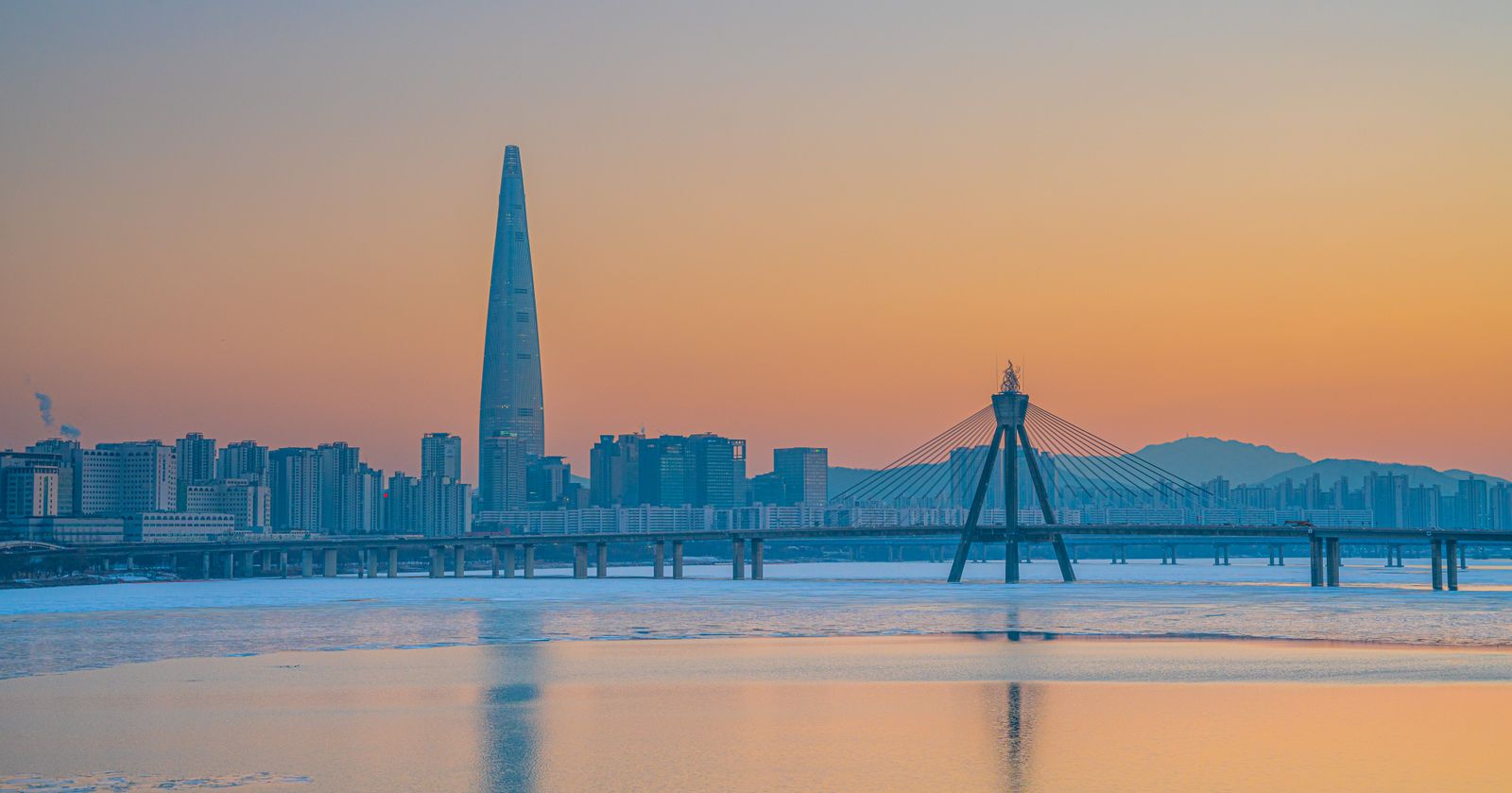
If a skin treatment is part of your Seoul trip, stay somewhere you can reach the clinic in 15–20 minutes door to door, with no transfers. A short walk or one direct subway ride is ideal. The reason is practical. On treatment day you may have numbing cream on, some swelling, redness or pinpoint marks, and you’ll want to get indoors and rest instead of crossing the city. The same distance matters again if you go back for a check, a touch-up or a question. You don’t need a specific hotel. You need a short, simple route between your bed and the clinic. That route matters most on two days: the day you arrive and the day you fly home.
Why does the distance between your hotel and the clinic matter?
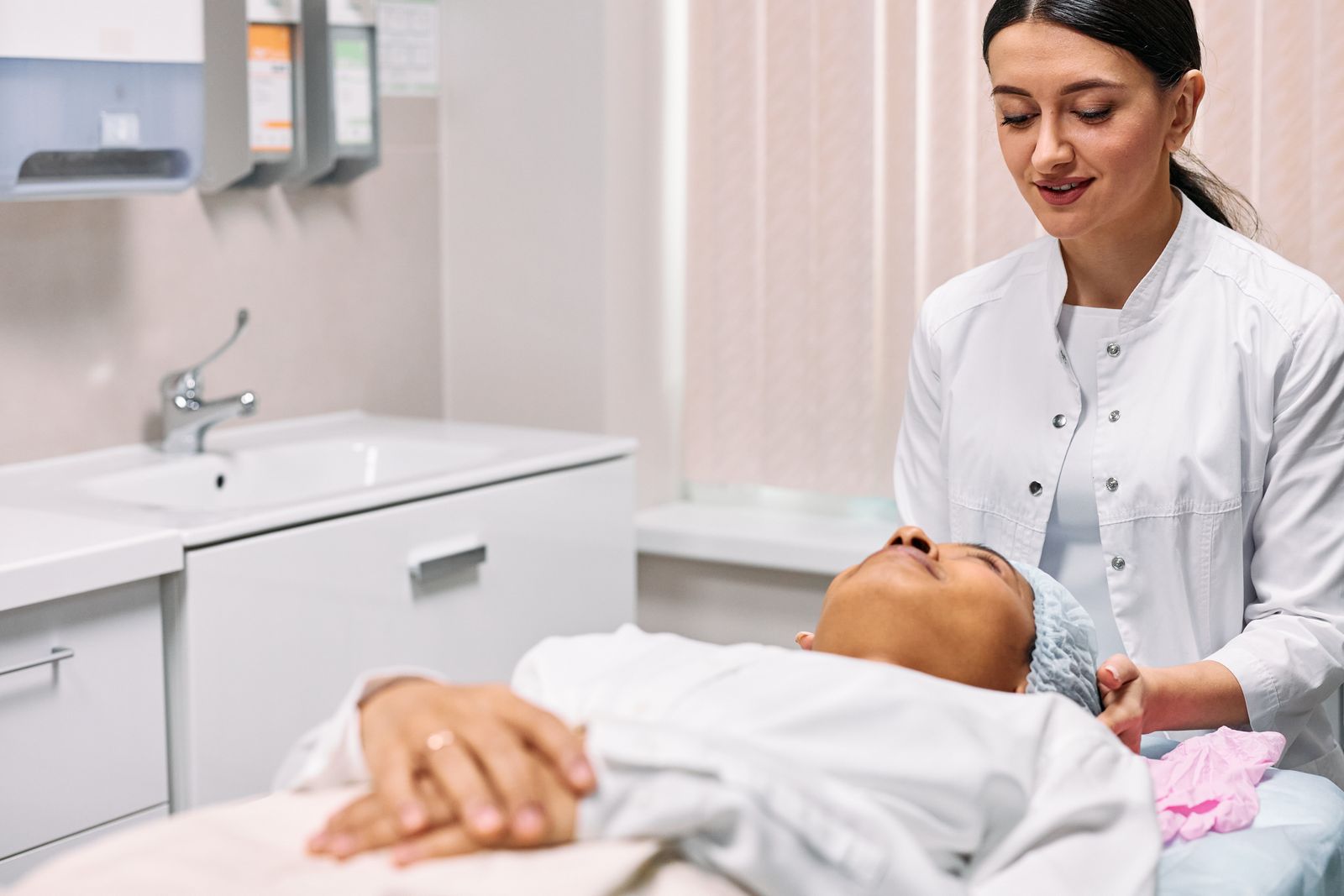
Your trips to the clinic are the least flexible part of the itinerary, and they’re also the days you’ll least want a long journey. A typical treatment day includes:
- Arriving early. Many injectables and lasers start with numbing cream that sits on the skin for a while before treatment begins. Arriving late can push your slot or shorten that wait.
- Leaving with a face that’s still settling. Depending on the treatment, that can mean flushing, small bumps where a skin booster was placed, pinpoint bruises, or mild swelling. It’s usually temporary, but you’ll be more comfortable going straight back to your room than sitting on a 50-minute subway ride with two transfers.
- Going back. If something looks unexpected, you’ll want to be able to show the clinic in person. A clinic 10 minutes away is easy to return to. One 70 minutes away usually gets a phone photo instead.
Seoul is large, and districts that look close on a map can be 40–60 minutes apart in traffic. Before you book a room, map the route from the actual building to the actual clinic. Don’t rely on the neighborhood name.
How close is close enough?
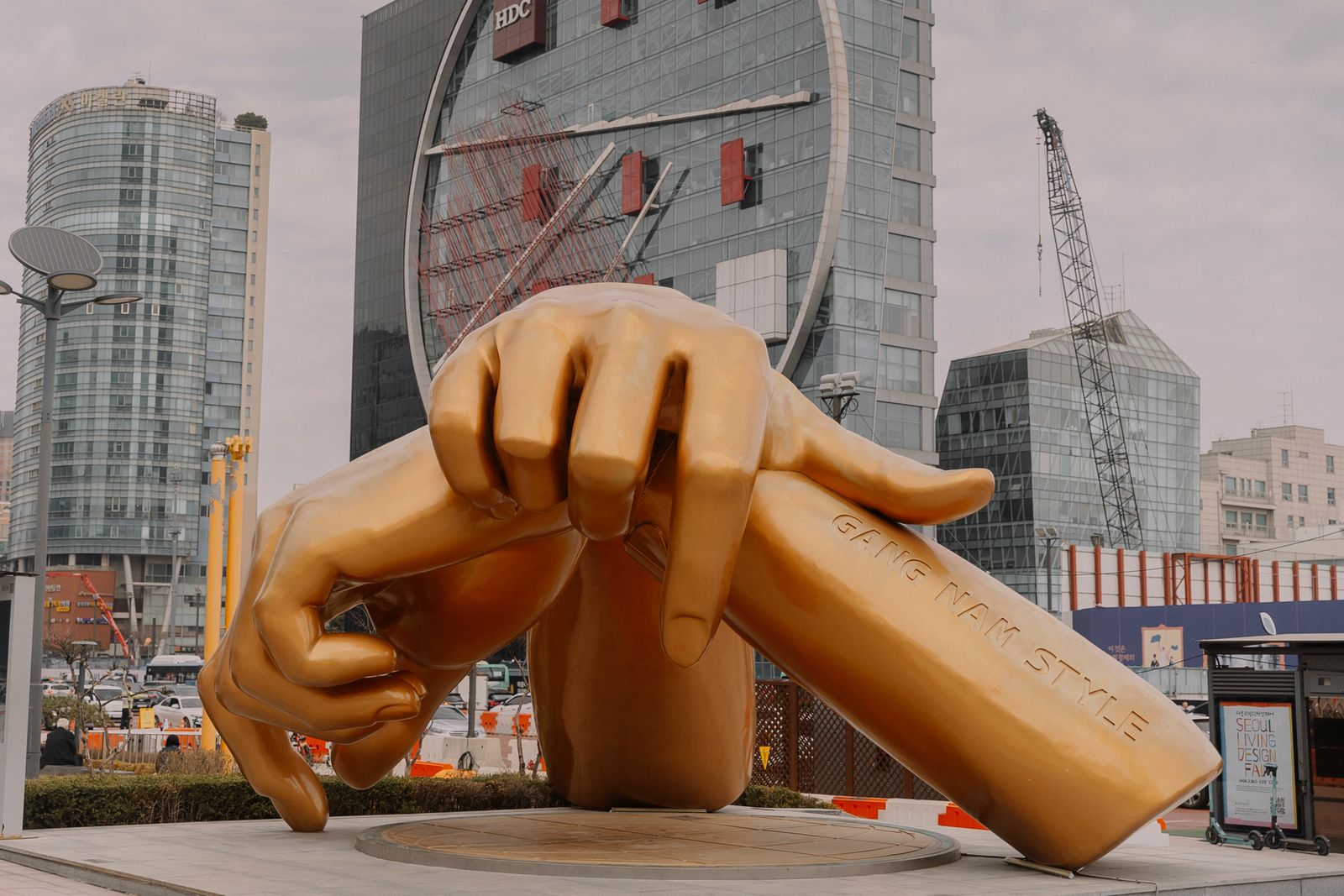
Here’s a workable rule of thumb:
- Best: a walk of about 15 minutes or less on flat streets, or one subway stop or two.
- Fine: one direct subway line with no transfer, and a short walk at each end.
- Workable but tiring on treatment day: routes with a transfer, a long underground corridor between lines, or a steep walk from the station.
- Avoid for treatment days: routes that only work by taxi in rush hour. Taxis are convenient, but Seoul traffic around 8–10 a.m. and 6–8 p.m. can stretch a 15-minute ride a long way.
A taxi within the same district often costs well under KRW 10,000 (roughly USD 7). That’s an approximate figure, and fares change with distance, time of day and traffic. A taxi is a good option for the trip home after treatment even if you walked there, especially in winter or if numbing has left your face feeling odd.
Seoul’s large subway stations often have long underground passages and several numbered exits. Check which exit is closest to your hotel and which is closest to the clinic. A five-minute walk can turn into fifteen if you come up the wrong exit.
What about swelling, sun and cold on the way back?
How you get back to your room matters most in the first hour or two after treatment. Plan for the season.
- Cold and wind (roughly December to February, and often late November). Seoul winters are cold and windy. Freshly treated skin can sting in sharp wind, and it’s easy to rub at a numb face without noticing. A soft scarf, a mask, and a route that keeps you indoors or underground for part of the way all help. There’s more detail in our guide to going out in cold wind after laser, a peel or injections.
- Sun and heat (roughly June to August). After lasers and peels, clinics usually ask you to avoid direct sun. A short, shaded walk or a quick taxi is better than a long midday walk. Bring a hat and keep the sunscreen the clinic recommends with you.
- Swelling and bruising. Fillers and some skin boosters can cause swelling or a small bruise that shows more the next day than in the clinic mirror. Staying close means you can simply go back to your room instead of having to look presentable on public transport. If photos or events are on the itinerary, this guide to bruising timelines after Botox, filler and skin boosters helps you place them.
None of this is dangerous for most people. It’s about comfort and keeping the treated area clean and undisturbed for the first few hours, which a short trip back makes much easier.
What should you look for in the room itself?
A few details of the room matter more than usual on a treatment trip:
- Extra pillows. After some injectables, clinics may suggest sleeping with your head slightly raised on the first night to limit swelling. Ask the clinic whether that applies to you, and ask the front desk for a second pillow early.
- A fridge or freezer access. It’s handy for keeping a cold pack or chilled water if the clinic suggests cooling. A small in-room fridge is usually enough.
- A clean, quiet place to rest. You may want to nap or lie down on the afternoon of treatment. A room on a busy street, or a shared dorm, makes that harder.
- A good mirror and light. You’ll want to look closely at your skin and take progress photos in steady light, which a dim room makes difficult.
- Flexible checkout or luggage storage. This matters most on departure day (see below).
- Easy access. A lift, and an entrance that isn’t up a steep hill, helps on a day when you’d rather not exert yourself.
You don’t need a luxury hotel for any of this. Mid-range business hotels, serviced apartments and guesthouses with private rooms can all work if the route and room fit.
How should you plan the day you arrive?
Keep the day you land for a consultation or rest. A long-haul flight leaves many people tired and slightly puffy, and the airport is far from central Seoul. Depending on traffic and transport, the trip from Incheon Airport to Gangnam or the city center often takes about 60–90 minutes, so a booking timed tightly against your landing can easily slip.
Some practical points:
- Check in first if you can. Drop your bags and shower before any clinic visit. If the room isn’t ready, most hotels will hold luggage.
- A consultation on day one is often a good idea. It gives the clinic time to assess you in person, and it gives you time to think before treatment. Some treatments work better early in a trip and some late (see below), so a day-one consultation helps you sort that out.
- Treatments the clinic suggests doing early. Some clinics suggest certain injectables near the start of a trip, so there’s time for a check or adjustment before you fly. If that’s your plan, a hotel very close to the clinic is worth paying a bit more for, because you may go back.
If you land late at night, don’t book anything for the next morning that depends on you arriving rested and on time.
How should you plan the day you fly home?
Departure day has the most moving parts: checkout time, luggage, the trip to the airport, and the flight itself. A few guidelines:
- Treatments clinics suggest saving for the end of a trip. Some treatments are often scheduled near the end because their visible marks or redness are best spent at home, not sightseeing. If yours is one of these, a late-morning appointment close to your hotel, followed by a direct ride to the airport, is often more comfortable than a treatment squeezed in after checkout on the far side of the city.
- Ask for late checkout or use luggage storage. If your treatment is after checkout time, arrange luggage storage at the hotel or a late checkout so you aren’t carrying bags to the clinic.
- Leave a real buffer for the airport. Count the clinic appointment, the wait for numbing, the treatment, and then 60–90 minutes or more to the airport plus check-in. Treat each piece as longer than it looks.
- Skin on a plane. Cabin air is dry, and the clinic may suggest a specific moisturizer or ask you to avoid pressing on the area, for example with a tight eye mask or by resting your face on a pillow. Ask before you leave what you can apply during the flight.
For treatments whose results build over weeks, it helps to know what you’ll see after you get home. This timeline guide covers what usually shows in the first few days and what comes later.
Should you switch hotels during the trip?
Switching can make sense if the clinic is in a different district from where you want to spend most of the trip. For example, you might stay somewhere central for sightseeing and move close to the clinic for the last two nights. If you do:
- Put the move before treatment day, not on it.
- Don’t move hotels on the evening of a treatment that leaves swelling or redness. Packing, carrying bags and checking in somewhere new is not restful.
- Keep at least one night close to the clinic after any treatment you might need to come back for.
Why isn’t a specific hotel recommended here?
We don’t recommend particular hotels because the right choice depends on where your clinic is, your budget, the season, and what else you’re doing in Seoul. Hotels also change ownership, prices and quality faster than an article can be updated.
What reliably matters is short, simple, weather-friendly travel between your room and the clinic, a quiet place to rest, and room for delays on arrival and departure days. Map the route before you book. Ask the clinic whether your treatment is better early or late in the trip. Then choose a place that fits both.
If the clinic you’re considering is MIO Clinic in Gangnam
Seoul Skin Notes is run by MIO Clinic.
If you’re planning a trip around a treatment, MIO is one option in Gangnam. It’s a 3-minute walk from Gangnam Station Exit 4, and Gangnam Station is a stop on Line 2 and the Shinbundang Line, so a hotel along either line can work without a transfer.
What may help most with lodging plans is that MIO’s published menu marks which treatments it suggests scheduling early in a trip and which late. Some examples, as published at the time of writing (prices exclude VAT; USD figures are approximate):
- Wrinkle Botox (Xeomin, Dysport) 3 Areas, KRW 139,000 (about USD 99), is marked for the first day of a trip, with no numbing listed.
- Filler is priced per treatment area and in two tiers. For example, Filler (Nasolabial/Front Cheek/Side Cheek) (Domestic) is KRW 99,000 (about USD 71), and the imported tier (Juvéderm, Restylane, Belotero) for the same area is KRW 349,000 (about USD 250). Filler is marked for the first day, with numbing.
- Rejuran Healer 2cc, KRW 189,000 (about USD 135), is marked for the last day, with numbing.
- Genesis Toning, KRW 69,000 (about USD 49), has no trip-timing constraint, with no numbing listed.
If you request a specific doctor, MIO adds KRW 100,000. The final plan and cost depend on your assessment and can’t be confirmed in advance.
MIO’s doctors are experienced, and each has a published main focus. Shin Seungyong’s focus includes lifting, Botox, filler and contouring. Kim Doyoung’s includes skin boosters, lasers and pigmentation. All four doctors consult in English. MIO uses detailed clinical photography and AI-assisted facial analysis to inform the doctor’s plan, and the skin analysis carries no additional charge.
In practice, a day-one consultation can tell you which items belong early in your trip and which late, so you can decide where to stay for which nights.
FAQ
How far from the clinic should my hotel be?
Aim for 15–20 minutes door to door, with no subway transfers. A short walk or one direct subway line is ideal, because after treatment you’ll want to get back to your room quickly and easily, and you may need to return for a check.
Can I get a treatment on the day I land in Seoul?
It’s often more comfortable to keep arrival day for a consultation or rest. Long flights leave many people tired and puffy, and the trip from Incheon Airport into the city often takes 60–90 minutes, so tightly timed bookings can slip.
Is it fine to get a treatment on the day I fly home?
For some treatments, yes. Some are even suggested for the end of a trip. Leave a generous buffer for numbing, treatment and the trip to the airport, arrange luggage storage or late checkout, and ask the clinic what you can apply during the flight.
Should I take the subway or a taxi back after treatment?
Either works for most people. A taxi can be more comfortable after numbing, in winter wind or summer sun, or if your face is swollen. Avoid long routes with transfers on treatment day.
What should I ask the hotel for if I’m having a treatment?
An extra pillow in case you’re advised to sleep with your head raised, access to a fridge for a cold pack, a quiet room, and luggage storage or late checkout on departure day.
Book at MIO Clinic, Gangnam
Seoul Skin Notes is the official journal of MIO Clinic, a skin & aesthetic clinic in Gangnam, Seoul. The MIO team handles consultations and bookings in English over WhatsApp — tell them what you are considering and they will walk you through your options.
MIO Clinic
2-3F, FINE TOWER, 372 Gangnam-daero, Gangnam-gu, Seoul
Gangnam Station, Exit 4 — 3-minute walk
Hours: Mon & Fri 10:00–21:00 · Tue–Thu & Sat 10:00–19:00 · Sun 10:00–19:00
Web:mioclinic.kr/en · Instagram:@mioclinic_global · Email:en-official@mioclinic.kr · Google Maps