
Non-surgical body contouring in Seoul can modestly reduce a stubborn pocket of fat and tighten mildly loose skin — but it is not weight loss, and it will not reshape your body in one visit. Devices like InMode’s radiofrequency (RF) handpieces and fat-cooling machines work on small, specific areas over multiple sessions, with results that show up gradually over weeks to months. If you land expecting a flat stomach after one appointment, you will be disappointed. If you come in to soften a lower-belly roll, smooth a bit of arm or thigh laxity, or treat an area that hasn’t budged despite diet and exercise, these treatments can genuinely help. This is an honest walk-through of what the machines do, what they don’t, what a session feels like, and roughly what it costs.
What “body contouring” actually means (and what it doesn’t)
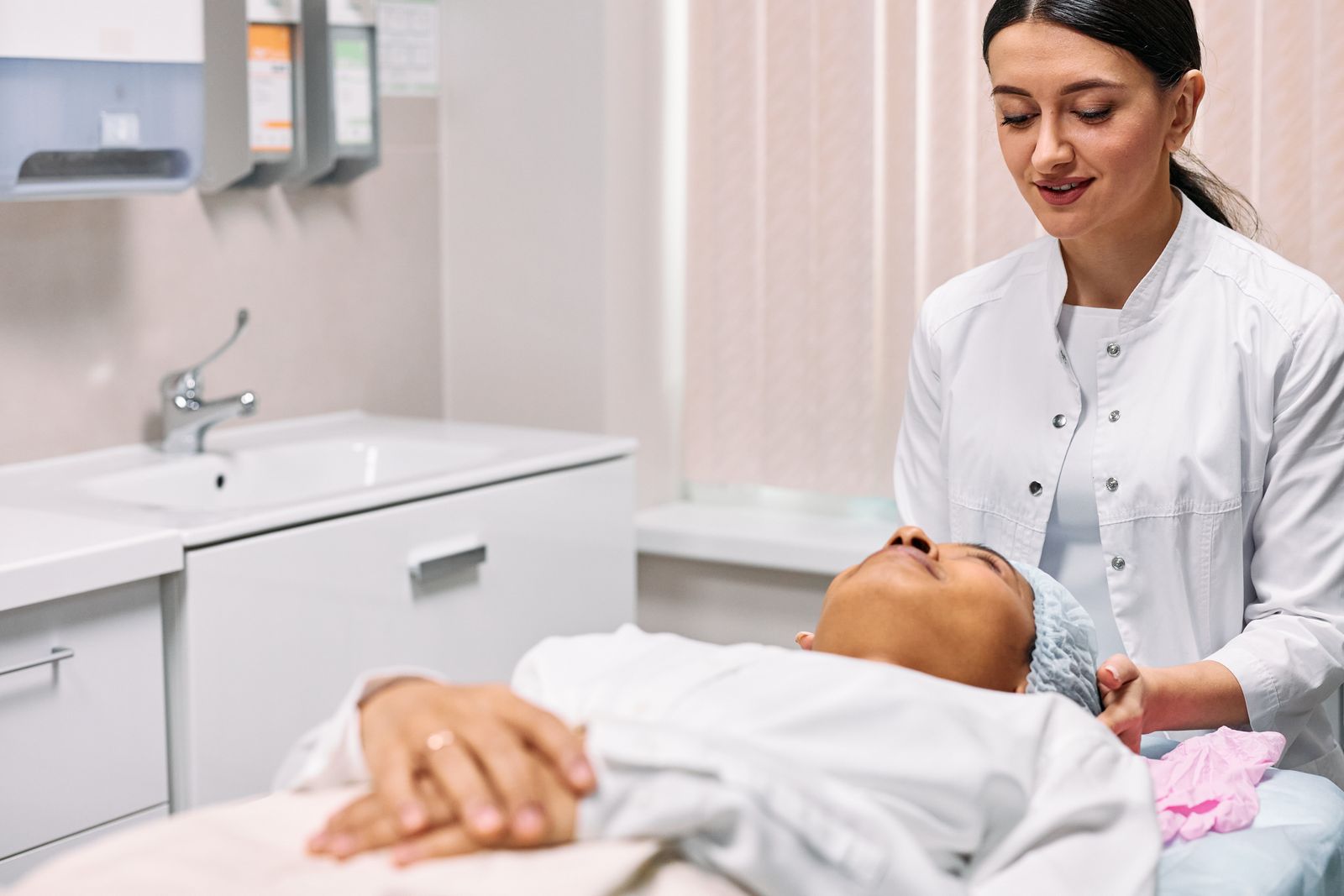
Body contouring is a catch-all term for procedures that change the shape of a body area rather than your overall weight. Non-surgical versions use energy — cold, radiofrequency, ultrasound — to either reduce a small volume of fat or tighten skin, without incisions or anesthesia.
Here’s the honest framing most marketing skips: these devices are for contour refinement, not fat loss. A single treated area holds only so many fat cells, and reducing a fraction of them makes a visible but modest difference — think “these jeans fit a little better,” not “I dropped a size.” They are best for someone already near their stable weight who has one or two areas that don’t respond to diet and exercise. They are a poor fit if your real goal is losing 10+ kg, if you want a dramatic overnight change, or if you’re hoping to avoid lifestyle change entirely. None of these machines is a substitute for weight management, and a good clinic will tell you that before selling you a package.
RF body devices (the InMode family): tightening first, fat second
Radiofrequency devices heat the deeper layers of skin and the tissue beneath it. InMode is a widely used brand whose body applicators are popular in Seoul clinics, but the underlying tool is RF energy, and several manufacturers make comparable machines. What RF does well is skin tightening — it stimulates collagen so mildly loose skin (a softening jawline, crepey upper arms, a slightly lax tummy after weight change) firms up over the following weeks. Some RF platforms also combine heat with other mechanisms to target fat, but the tightening effect is usually the more reliable, more visible result.
RF is a strong choice when your issue is texture and firmness more than bulk. If you’ve lost weight and the skin hasn’t fully snapped back, RF is often more appropriate than a fat-reduction device. Expect a warm, deep-massage sensation during treatment, little to no downtime, and gradual firming over one to three months as collagen rebuilds. Multiple sessions — commonly a short series — give better results than a single visit, and the effect is maintained, not permanent: skin continues to age, so periodic maintenance keeps it up.
Fat-cooling and other fat-reduction devices: modest, gradual, area-specific
Fat-cooling technology (the category people know by the brand Coolsculpting, though several devices do this) works by chilling fat cells to a temperature that damages them without harming skin. The body then clears the damaged cells over the following one to three months, and the treated pocket shrinks a little. It’s best for a defined, pinchable bulge — lower belly, flanks (“love handles”), or under the chin — in someone at a stable weight.
Realistic expectations matter enormously here. One cycle typically reduces the fat in a treated area by a modest fraction, not by half. Results are gradual and not dramatic; many people need more than one session per area for a change they’re happy with. The fat that clears is gone, but remaining fat cells can still enlarge if you gain weight — so the result holds only alongside a stable lifestyle. Downtime is minimal (some numbness, redness, or temporary swelling), but full results take weeks. If someone promises you a flat stomach from one cooling session, that’s a red flag, not a realistic plan.
What a realistic result actually looks like
Set the bar here: a subtle, natural improvement in the shape of a specific area, visible over weeks, usually after more than one session, and best appreciated in how clothes fit rather than on a scale. Photos taken weeks apart show the change more honestly than the mirror does day to day, because gradual change is hard to notice in real time.
What it is not: overnight, dramatic, or a replacement for weight loss. It won’t tighten significantly sagging skin (that’s a surgical conversation), won’t remove large volumes of fat, and won’t hold if your weight climbs. Seoul clinics — including conservative, assessment-first ones — tend to do best when they match the device to your actual anatomy rather than pushing one machine for everything, which is exactly why the consultation matters. This mirrors a pattern we’ve written about elsewhere: results in Seoul often come from becoming a repeat patient and refining the plan over visits 2 and 3, not from one heroic appointment.
Why the consultation decides everything
Body contouring goes wrong most often not because the device fails, but because it was the wrong device for the problem. Loose skin needs tightening (RF); a pinchable fat pocket needs fat reduction; significant sagging or large-volume fat needs a surgical opinion, not a machine. A proper assessment looks at the specific area, pinches the tissue, and is honest about whether you’re a good candidate at all — including telling you when the answer is “not this, or not yet.”
MIO Clinic’s positioning is conservative and assessment-first, using AI-assisted analysis before recommending anything, and favoring natural, restrained results over overcorrection. That’s the frame to look for in any clinic: one willing to say a treatment won’t help you is more trustworthy than one that says every machine will. Ask directly, “Am I actually a good candidate for this, or would something else serve me better?” — the quality of that answer tells you a lot. If you’re planning a broader visit, it’s worth understanding how a starter-tier budget maps to real treatments before you arrive.
Cost, downtime, and planning around a trip
Non-surgical body contouring is priced per area and per session, and stubbornly hard to quote in advance because it depends on the area, the device, and how many sessions you need. As a rough, approximate guide, a single body RF or fat-cooling session in Seoul commonly starts around ₩200,000–₩600,000 (roughly $145–$430 USD) per area, with packages of several sessions costing more in total — treat these as ballpark starting figures, not a quote, and confirm your actual plan and price at consultation. Any specific clinic floor price is a starting point only; the final cost depends on you.
For trip planning, the good news is that downtime is minimal — you can usually treat and continue your day, with only mild redness, numbness, or swelling. The catch is timing: because results are gradual, a single visit during a short trip gives you the start of a result, not the finished one, and multi-session plans are hard to complete in one stay. If your goal is a visible contour change, plan for either a longer stay, a return trip, or maintenance you can continue at home. Body contouring pairs poorly with expecting to “see it” before you fly out — the change arrives after you’ve left.
FAQ
Is non-surgical body contouring the same as weight loss? No. It reduces or reshapes fat in a small, specific area and can tighten mildly loose skin, but it does not lower your overall weight. It’s for contour refinement in someone near a stable weight, not for losing significant weight.
How many sessions will I need? It varies by person, area, and device. Many people need more than one session per area for a result they’re satisfied with, and RF skin-tightening is typically done as a short series. A consultation is the only way to estimate your specific plan.
When will I see results? Gradually. Fat-cooling results build over roughly one to three months as your body clears the treated cells; RF tightening firms up over about one to three months as collagen rebuilds. There’s no meaningful same-day change to see.
Does it hurt, and is there downtime? Most people tolerate it well. RF feels like a warm deep massage; fat-cooling causes cold, tugging, and temporary numbness. Downtime is minimal — mild redness, swelling, or numbness that settles — so you can usually carry on with your day.
Are the results permanent? The fat cells cleared by fat-reduction devices don’t come back, but remaining fat can still enlarge with weight gain, so results hold only with a stable weight. RF tightening is maintained rather than permanent, since skin keeps aging — periodic upkeep sustains it.
Who is a poor candidate? Anyone whose real goal is significant weight loss, anyone wanting a dramatic overnight change, and anyone with significant skin sagging or large-volume fat (that’s a surgical conversation). A good clinic will tell you honestly if a machine isn’t the right tool for you.
Book at MIO Clinic, Gangnam
Seoul Skin Notes is the official journal of MIO Clinic, a skin & aesthetic clinic in Gangnam, Seoul. The MIO team handles consultations and bookings in English over WhatsApp — tell them what you are considering and they will walk you through your options.
MIO Clinic
2-3F, FINE TOWER, 372 Gangnam-daero, Gangnam-gu, Seoul
Gangnam Station, Exit 4 — 3-minute walk
Hours: Mon & Fri 10:00–21:00 · Tue–Thu & Sat 10:00–19:00 · Sun closed
Web:mioclinic.kr/en · Instagram:@mioclinic_global · Email:en-official@mioclinic.kr · Google Maps