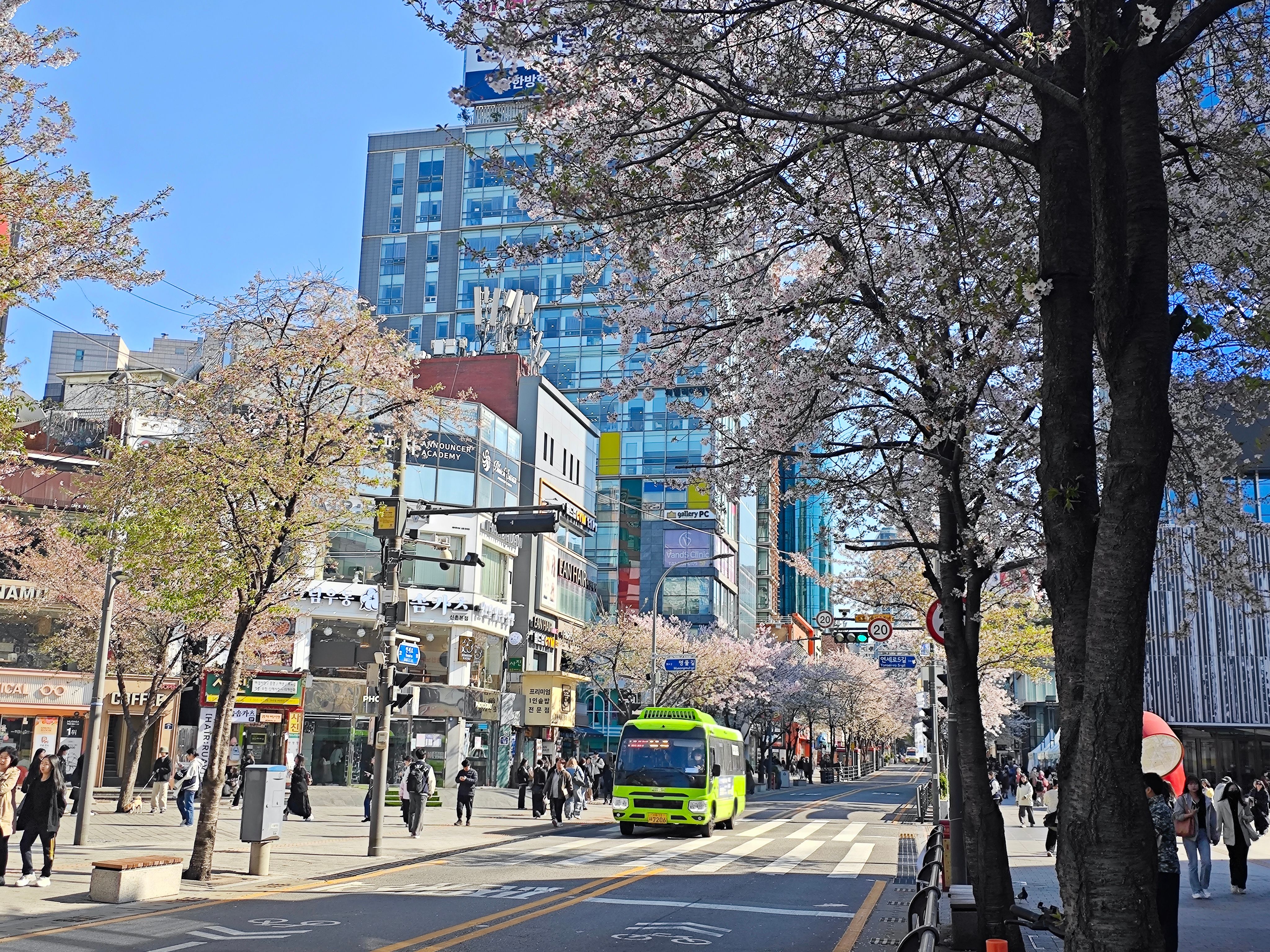
You probably expected the sleepless nights. What catches most new moms off guard is the face looking back at them in the mirror a few months after delivery: a shadowy mask of brown across the cheeks and upper lip, skin along the jaw that feels looser than it used to, and a general sense that things have shifted. If you’re in Seoul, or planning a trip here while you sort out childcare and timing, you may be wondering what’s actually safe to treat right now, what should wait, and whether there’s a smart way to combine treatments so you’re not making ten separate appointments. This guide walks you through how postpartum melasma and skin laxity tend to behave, what the realistic options look like in Korea, and how a measured, no-rush approach usually serves new mothers best.
Why pregnancy changes your skin in the first place
The two complaints that bring new moms in most often are melasma and laxity, and they come from different places. Melasma, sometimes called the “mask of pregnancy,” is driven largely by hormones. The surge in estrogen and progesterone during pregnancy ramps up melanin production, and sun exposure pours fuel on it. That’s why the patches tend to land on the cheeks, forehead, and above the lip, and why they can darken further if you’re out in strong Korean summer sun without protection. The frustrating part is that melasma is stubborn by nature. It responds to treatment, but it also relapses easily, which is exactly why a slow, layered plan beats an aggressive one-time blast.
Laxity is more mechanical. Your skin stretched to accommodate pregnancy, collagen turnover shifted, and rapid weight changes before and after delivery don’t help elasticity. You might notice it most around the lower face, jawline, and under the chin, or feel that your skin sits a little less snugly than it did. The good news is that mild postpartum laxity often improves on its own over several months as your body recalibrates, so there’s rarely any reason to rush into the heaviest lifting treatment available. Time, patience, and a sensible plan do a lot of the work.
What’s safe, and when to actually start

The single most important question for postpartum skin isn’t “which laser,” it’s “when.” If you’re breastfeeding, that changes the conversation, because some treatments and topical agents aren’t appropriate while nursing, and a responsible clinic will ask about this before recommending anything. Many aesthetic procedures are reasonable to consider once you’ve finished breastfeeding and your hormones have settled, which can take several months after weaning. Until then, the safest and most useful steps are unglamorous but genuinely effective: diligent daily sunscreen, gentle skincare, and giving melasma every chance to fade without provoking it.
This is where an honest consultation matters more than a menu of machines. Results vary a great deal from person to person, and what suits a mom who weaned six months ago is different from what suits someone still nursing a newborn. At MIO Clinic, the starting point is an AI skin analysis that maps pigmentation depth, redness, and skin condition rather than guessing from a glance. That kind of data-driven baseline is especially valuable with melasma, because treating it too aggressively, or with the wrong settings, can paradoxically make pigmentation worse. The clinic’s broader philosophy is minimal and balanced: recommend only what suits you, skip what you don’t need, and never pressure a package. For a new mom juggling a lot already, being told “let’s wait on this part” can be the most reassuring thing you hear.
A combined Korean plan: pigment first, structure second

Korean aesthetic practice tends to favor combining gentle treatments over relying on one heavy procedure, and that approach fits postpartum skin well. The usual logic is to address pigment and skin quality first, then think about structure and firmness once your skin is calm and stable. Sequencing matters: chasing laxity with an aggressive device while active melasma is still inflamed can aggravate the pigment, so a thoughtful plan generally treats the brown patches gently before turning up the intensity anywhere.
On the pigmentation side, picosecond laser technology is a common tool for melasma in Korea because it can target pigment with very short pulses. At MIO, PicoSure starts from 39,000 KRW per session. The realistic expectation is gradual lightening over a series of low-intensity sessions rather than a dramatic single fix, and maintenance plus sun protection are part of the deal. For overall skin quality and the dullness many moms notice, gentle resurfacing peels and hydration boosters play a supporting role. The clinic’s skincare menu includes options like Aqua Peel from 29,000 KRW and LDM from 29,000 KRW, which focus on calming and refreshing the skin rather than forcing it.
Skin boosters are another piece worth understanding, because they address the texture-and-resilience side without being a lifting device. Rejuran, a polynucleotide-based booster aimed at skin healing and quality, starts from 99,000 KRW at MIO, and the clinic’s signature program is its “Rejuran Lips” treatment. If your lips have felt dry or thinned out, that’s a notable option, though as always whether it suits you is something to confirm in person. Boosters like these are often spaced as a short course, which fits a postpartum timeline where you’d rather build improvement steadily than overhaul everything at once.
For laxity, energy-based lifting treatments are the Korean staple, and there’s a wide range so you’re not forced into the most intensive one. MIO’s lifting menu runs from Shurink at 29,000 KRW and InMode at 39,000 KRW up through Ultherapy at 299,000 KRW, Soprano Titanium at 350,000 KRW, and Thermage at 990,000 KRW. The big numbers don’t mean “better for you” — they reflect different technologies and depths, and a mild case of postpartum laxity often calls for something on the gentler end, or for simply waiting to see how much firms up naturally. A good consultation will steer you toward the lightest effective option rather than the priciest one, and may suggest holding off entirely if your skin is still settling.
What a first visit looks like if you’re flying in
If you’re traveling from the US, the logistics are simpler than you might expect. MIO Clinic sits in Gangnam, a three-minute walk from Gangnam Station Exit 4, so it’s easy to reach whether you’re staying nearby or coming from elsewhere in the city, and English-speaking support is available. A typical first visit starts with the AI skin analysis and a conversation about your history — including whether you’re still breastfeeding, how long ago you delivered, and what’s bothering you most. From there you’d get a plan, not a hard sell. Because melasma and laxity both benefit from a series rather than a single dramatic session, many visitors map out what can be done during their stay and what’s better continued at home or on a return trip.
It’s worth setting expectations honestly with yourself. Melasma is a relapsing condition, so even a well-executed plan is about management and gradual improvement, with sun protection doing a lot of the heavy lifting between sessions. Postpartum laxity often softens with time, so the smartest money is frequently spent on a measured approach rather than the most aggressive device on day one. And no reputable clinic can promise a specific result — what they can do is assess your skin properly, explain the trade-offs, and recommend only what genuinely fits where you are in your recovery. MIO is currently in its grand opening period, running from June through the end of August 2026, with special pricing on several of its signature treatments, which can be a practical window if your timing happens to line up.
Above all, give yourself some grace. The skin changes of new motherhood are common, often partly self-correcting, and very treatable when you’re ready. There’s no prize for rushing, and the best postpartum plans are the patient ones — gentle on the pigment, unhurried on the firmness, and built around your life with a newborn rather than against it. When you do decide to look into it, a calm, transparent consultation is the right first step, so you can understand your options clearly before committing to anything at all.
Book at MIO Clinic, Gangnam
Seoul Skin Notes is the official journal of MIO Clinic, a skin & aesthetic clinic in Gangnam, Seoul. The MIO team handles consultations and bookings in English over WhatsApp — tell them what you are considering and they will walk you through your options.
MIO Clinic
2-3F, FINE TOWER, 372 Gangnam-daero, Gangnam-gu, Seoul
Gangnam Station, Exit 4 — 3-minute walk
Hours: Mon & Fri 10:00–21:00 · Tue–Thu & Sat 10:00–19:00 · Sun closed
Web:mioclinic.kr/en · Instagram:@mioclinic_global · Email:en-official@mioclinic.kr · Google Maps